GOP lawmakers, hellbent on stripping elections powers from Democratic governor Josh Stein, used a legal loophole to let Boliek hand-pick election deniers and other anti-voter voices to the State Board of Elections. He was also able to choose Republicans to chair elections boards in all 100 counties, handing the GOP a majority on five-person county elections boards — like those in Rowan, Pitt , and Harnett that have become noticeably more divided as they take up 2026 elections options. NC Newsline, July 24, 2026
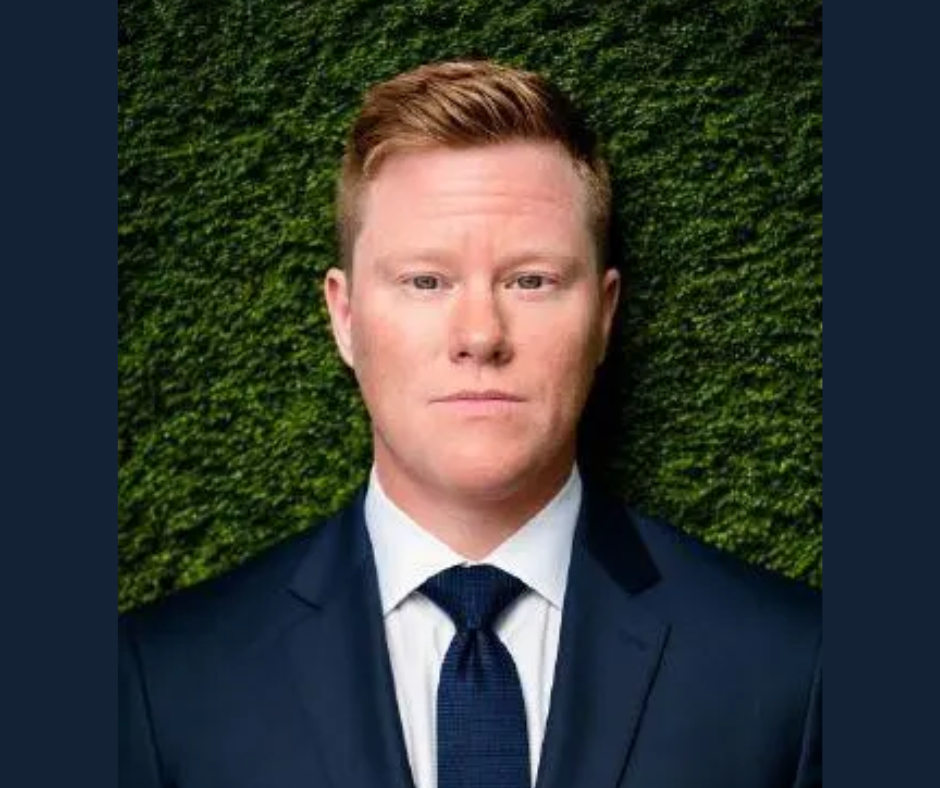
North Carolina Auditor Dave Boliek may not have wanted to hog the headlines in a year when he isn’t on the ballot. But thanks to his recent actions to weaponize GOP majorities on elections boards to push anti-democratic rules and early voting changes, Boliek is making quite a name for himself ahead of the midterms.
When he was elected as Trump’s pick for auditor in 2024, Boliek became the highest-ranking Republican in the executive branch. That’s how the GOP lawmakers, hellbent on stripping elections powers from Democratic governor Josh Stein, used a legal loophole to let Boliek hand-pick election deniers and other anti-voter voices to the State Board of Elections. He was also able to choose Republicans to chair elections boards in all 100 counties, handing the GOP a majority on five-person county elections boards — like those in Rowan, Pitt , and Harnett that have become noticeably more divided as they take up 2026 elections options.
Through his hyper-partisan election appointments, Boliek, the only auditor in the country with the authority to make them, also handed his friends in the legislature what they wanted: another means to cast doubts on fair elections, while putting more barriers in place for Democratic voters. Democrats shouldn’t be the only ones concerned.
Last week, Boliek’s State Board of Elections advanced proposed rules that would allow a simple 3-2 majority in each county to toss eligible votes cast using legal voter ID exception forms. If GOP members don’t believe your reason for not being able to show photo ID, your vote, regardless of party, won’t count.
State Board of Elections’ data shows if this rule had been in place in 2024, one party would have decided the fate of ballots cast by more than 4,600 eligible North Carolinians. That’s over 10 times the amount of the 401 votes statewide that it took to elect the current chief justice of the NC Supreme Court — the same person who coincidentally led the effort to reinstate NC’s voter ID law in the first place.
If Boleik has his way, it appears another pivotal NC Supreme Court seat could be determined by whether these types of votes are counted this fall.
This proposed rule is particularly dangerous given how toxic county boards’ deliberations on early voting options have become on Boliek’s watch.
In Pasquotank County, where Republicans and Democrats had been able to compromise on early voting plans before, this year Boliek’s GOP board chair made clear that he was choosing “recommendations” from the auditor’s staff based on the right options for right-wing voters. He joined with the two other Republican members to “drop Sunday” voting options as Boliek’s team had directed and eliminate the county’s only early voting site from Elizabeth City State University — a popular location used by the historically Black college and community in federal elections since the pandemic. Republicans opted instead to move the county’s single early voting option to the small county board of elections office currently under renovations, with no guarantees that the building nor the parking lot will be ready to handle an election this year.
Granville County’s election board members also made national headlines last week during the county’s third contentious meeting on voting options. Despite signaling otherwise, GOP members ultimately refused to compromise with their Democratic colleagues as they had in previous cycles, instead taking direction from former party chair who was texting them verbatim what to say to justify cutting two popular sites used by at least 70% of the county, including 90% of Black voters, but keeping a site demanded by Republicans.
These hyper-partisan plans follow months of bitter county-level meetings, assorted ethics complaints against Republican members, and public records requests proving that Boliek’s staff pressured local officials, leading to the resignation of his ”eyes and ears on the ground” Dallas Woodhouse, who already had a decade of experience requiring Republican-friendly plans.
Woodhouse’s departure won’t change that Boilek himself took the unprecedented step of making direct asks of his local appointees, including in Anson County where he demanded the chair add a site to boost GOP turnout, with similar demands in Moore County, which ultimately fell on deaf ears.
Fortunately, some bipartisan county boards of conscience are listening to their communities rather than capitulating to Boliek.
In Jackson County, the auditor’s office now infamously told Republican board members there that they should shutter a campus site or lose their jobs. One GOP member fired back, “kiss my ass.”
It’s now voters’ turn to be that angry.
Sailor Jones is state director of Common Cause North Carolina.